
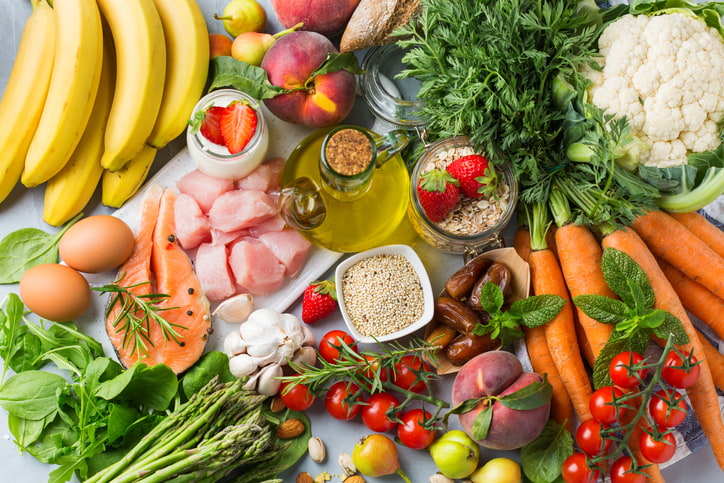
Most people do not think about their arteries and veins when planning dinner, but the foods you choose every day directly affect your circulation, inflammation levels, and long-term vascular health.
If you are searching for natural ways to support healthy arteries and veins, improve blood flow, or reduce your risk of peripheral artery disease, varicose veins, or blood clots, your kitchen is a powerful place to start. A diet rich in fiber, lean proteins, healthy fats, and antioxidant-packed vegetables can help protect blood vessels, lower cholesterol, and promote better circulation throughout the body.
Read on as The Vascular Care Group shares practical, heart-smart meal ideas and evidence-based nutrition strategies designed to support vascular health and overall wellness.
Why Nutrition Matters for Artery and Vein Health
Your arteries carry oxygen-rich blood from your heart to the rest of your body. Your veins return blood to your heart. When plaque builds up, inflammation rises, or circulation slows, it can increase your risk of conditions like peripheral artery disease, carotid artery disease, deep vein thrombosis, and chronic venous insufficiency.
The good news is that daily meals can either fuel inflammation or fight it.
A vascular-friendly diet helps:
- Lower LDL cholesterol and triglycerides
- Reduce inflammation that damages blood vessel walls
- Support healthy blood pressure levels
- Improve circulation and oxygen delivery
- Maintain a healthy weight, reducing strain on veins
Small, consistent choices make a meaningful difference over time.
Breakfasts That Support Healthy Circulation
Starting your morning with fiber and healthy fats sets the tone for stable blood sugar and balanced cholesterol.
Smart breakfast options include:
- Oatmeal topped with berries and walnuts
Oats contain soluble fiber that helps reduce cholesterol. Berries are rich in antioxidants that protect blood vessels, while walnuts provide omega-3 fatty acids that support arterial health. - Greek yogurt with flaxseed and sliced apples
Flaxseed is known for its anti-inflammatory properties and ability to support heart and vascular health. - Avocado toast on whole-grain bread with a poached egg
Avocados contain healthy monounsaturated fats that help maintain flexible, healthy arteries.
If you are managing high cholesterol or high blood pressure, these breakfast choices can support the treatment plan recommended by your vascular specialist.
Lunches That Protect Your Arteries
Midday meals are an opportunity to load up on leafy greens, lean proteins, and fiber-rich grains.
Try building your plate with:
- Grilled salmon over mixed greens
Salmon is packed with omega-3 fatty acids, which help reduce inflammation and support healthy blood flow. - Quinoa bowls with roasted vegetables and chickpeas
Quinoa provides plant-based protein and fiber, while colorful vegetables deliver antioxidants that protect artery walls. - Turkey and spinach wraps on whole-grain tortillas
Lean proteins help maintain muscle and vascular integrity without adding excess saturated fat.
Adding olive oil-based dressings instead of creamy sauces can further support heart and vascular health.
Heart-Healthy Dinners for Long-Term Vascular Wellness
Dinner is often the largest meal of the day, making it especially important for circulation and vein health.
Vascular-supportive dinner ideas include:
- Baked chicken with roasted Brussels sprouts and sweet potatoes
Sweet potatoes provide potassium, which supports healthy blood pressure levels. - Lentil soup with side salad and whole grain bread
Lentils are high in fiber and plant-based protein, helping to stabilize cholesterol and blood sugar. - Grilled shrimp with sautéed spinach and brown rice
Leafy greens like spinach contain nitrates that may help improve blood flow.
Limiting processed foods, excessive sodium, and fried meals can significantly reduce strain on your arteries and veins.
Snacks That Improve Blood Flow
Snacking is often where inflammation sneaks in. Choosing nutrient-dense options can help support vascular health throughout the day.
Better snack choices include:
- A handful of almonds or pistachios
- Sliced vegetables with hummus
- Fresh fruit such as oranges, apples, or grapes
- Dark chocolate in moderation
These foods contain antioxidants, fiber, and healthy fats that contribute to improved circulation and reduced oxidative stress.
Foods to Limit for Healthier Arteries and Veins
Just as important as what you eat is what you reduce.
Try to limit:
- Processed meats
- Fried foods
- Excess sugar and refined carbohydrates
- High-sodium packaged meals
- Sugary beverages
These foods can contribute to plaque buildup, inflammation, and increased blood pressure, all of which impact vascular function.
Supporting Vascular Health Across New England
While nutrition plays a powerful role in prevention, some vascular conditions require expert evaluation and treatment. Symptoms such as leg pain while walking, swelling, visible varicose veins, slow-healing wounds, or sudden leg pain should never be ignored.
At The Vascular Care Group, we provide advanced outpatient vascular care at locations across New England. Our experienced specialists diagnose and treat conditions affecting arteries and veins using minimally invasive techniques designed to restore circulation and improve quality of life.
If you are concerned about your circulation, cholesterol, or vein health, now is the time to take action. Call today to schedule a consultation and learn how personalized vascular care can help you protect your long-term health.