
Non-Surgical Knee Pain Relief
When knee pain starts affecting how you move through the day, even simple things like walking, taking the stairs, or standing for long periods can become frustrating. For many people with knee osteoarthritis, pain continues even after trying medications, injections, or physical therapy.
At The Vascular Care Group – Lowell, we offer Genicular Artery Embolization (GAE), a minimally invasive treatment for knee osteoarthritis that targets the inflammation contributing to chronic knee pain. GAE is performed in an outpatient setting and may help reduce pain and improve mobility without the need for joint replacement surgery.
Through our partnership with Tufts Medicine and Commonwealth Radiology Associates, patients in Lowell, the Merrimack Valley, and surrounding communities can access advanced image-guided care close to home.
Take the Next Step Toward Knee Pain Relief
You don’t have to let chronic knee pain control your life. If you’re looking for an alternative to knee replacement surgery or have not found relief with traditional treatments, Genicular Artery Embolization may be an option worth exploring.
Schedule a consultation with our Lowell team to learn whether GAE can help you get back to the activities you enjoy.
What You Need to Know About GAE
What is Genicular Artery Embolization?
Genicular Artery Embolization is a minimally invasive image-guided procedure designed to reduce inflammation associated with knee osteoarthritis.
Using advanced imaging technology, a specialist identifies tiny blood vessels contributing to inflammation around the knee. These vessels are then selectively blocked with microscopic particles, reducing inflammation and helping relieve pain.
Unlike knee replacement surgery, the GAE procedure does not require large incisions, implanted hardware, or lengthy rehabilitation.
The GAE Process
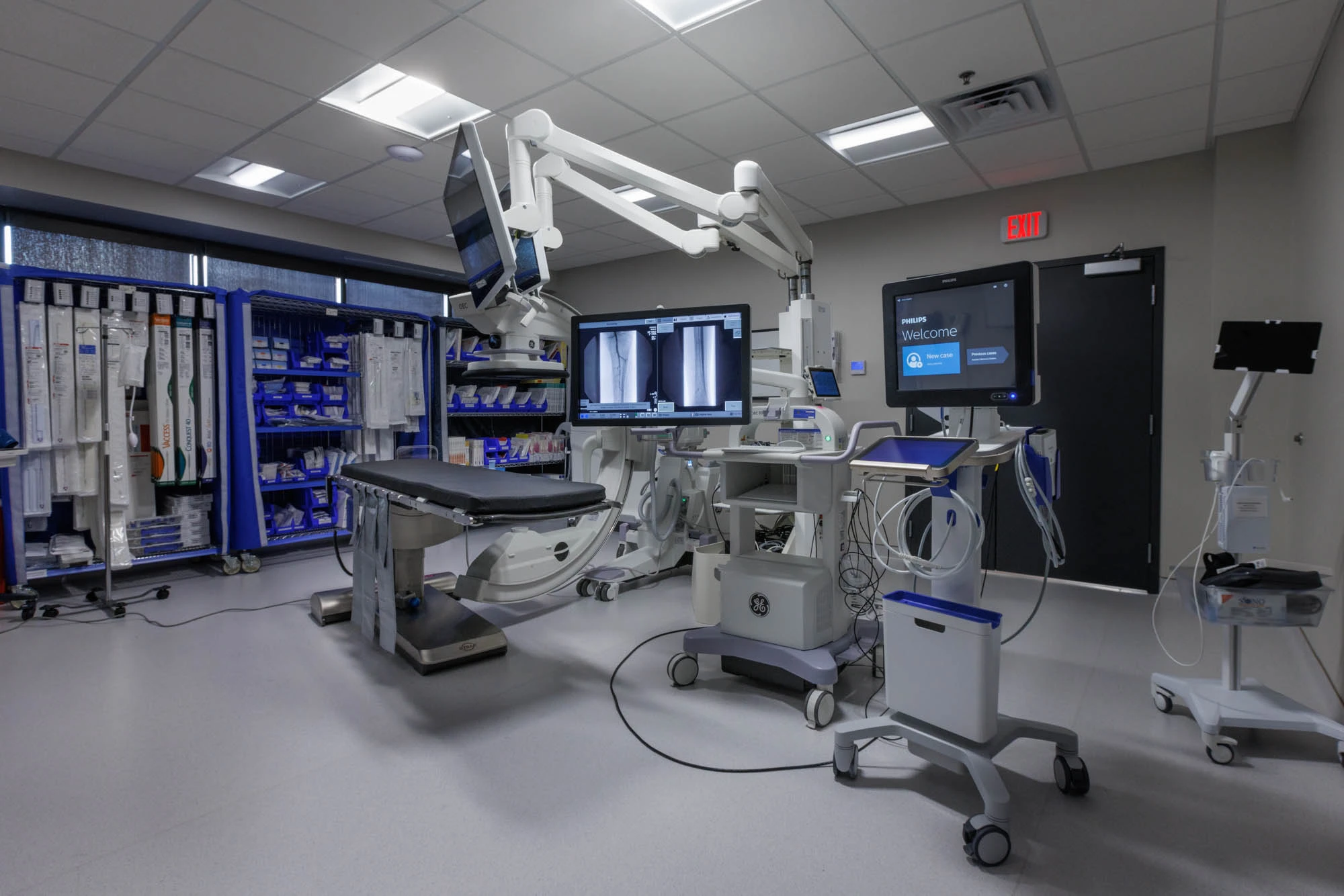
GAE is a non-surgical treatment for knee pain performed at our Lowell outpatient vascular center.
- A small catheter is inserted through a tiny puncture in the wrist or groin.
- Using real-time imaging guidance, the catheter is advanced to the arteries supplying the inflamed tissue around the knee.
- Tiny embolic particles are delivered to reduce abnormal blood flow.
- The catheter is removed, and a small bandage is applied.
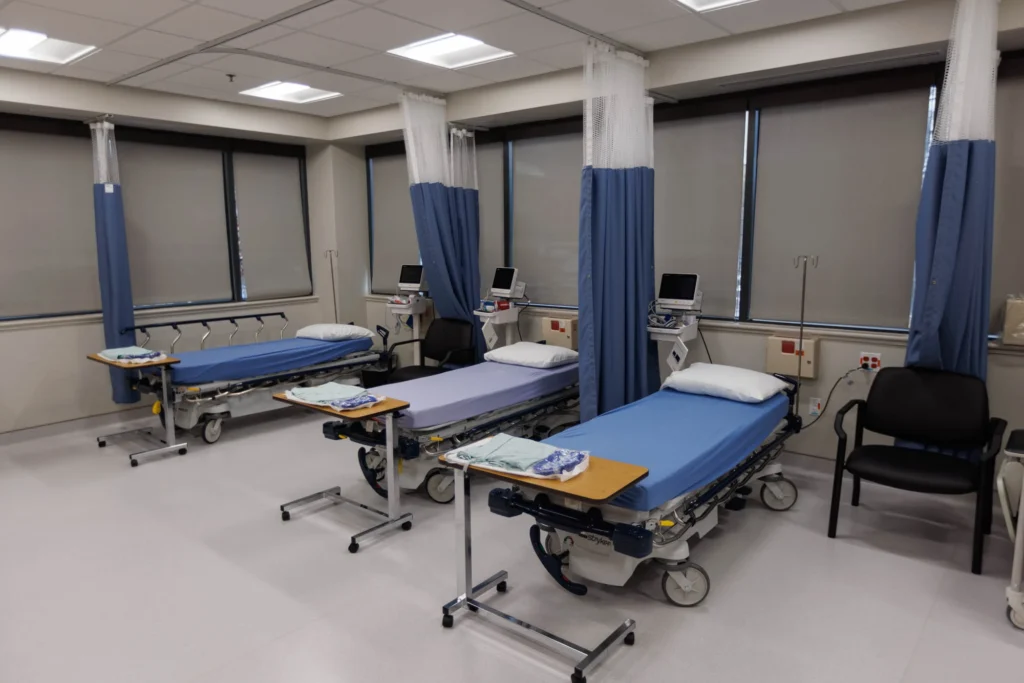
The procedure typically takes one to two hours, and patients return home the same day.
Symptoms GAE May Help Treat
Genicular Artery Embolization is primarily used to treat knee osteoarthritis, one of the most common causes of chronic knee pain in adults.
Osteoarthritis develops when the protective cartilage within the knee gradually wears down. As the condition progresses, inflammation develops around the joint, leading to symptoms such as:
- knee pain while walking
- pain going up or down stairs
- swelling around the knee
- stiffness after sitting
- limited range of motion
- pain that persists despite injections or medication
Clinical Research & Effectiveness
Genicular Artery Embolization is supported by clinical research showing that it may help reduce pain and improve function for appropriately selected patients with knee osteoarthritis.
Studies have reported meaningful improvements in pain, mobility, and quality of life after GAE, particularly for patients who continue to have symptoms despite conservative treatments such as medications, injections, or physical therapy. While results vary from patient to patient, current research supports GAE as a promising minimally invasive option for chronic knee pain related to osteoarthritis.
Are You a Candidate for GAE?
 You may be a candidate if you:
✓ Have chronic knee pain caused by osteoarthritis
✓ Experience stiffness and reduced mobility
✓ Have tried medications, injections, or physical therapy with limited success
✓ Want to avoid or delay knee replacement surgery
✓ Are not a candidate for orthopedic surgery
✓ Are looking for a minimally invasive treatment option
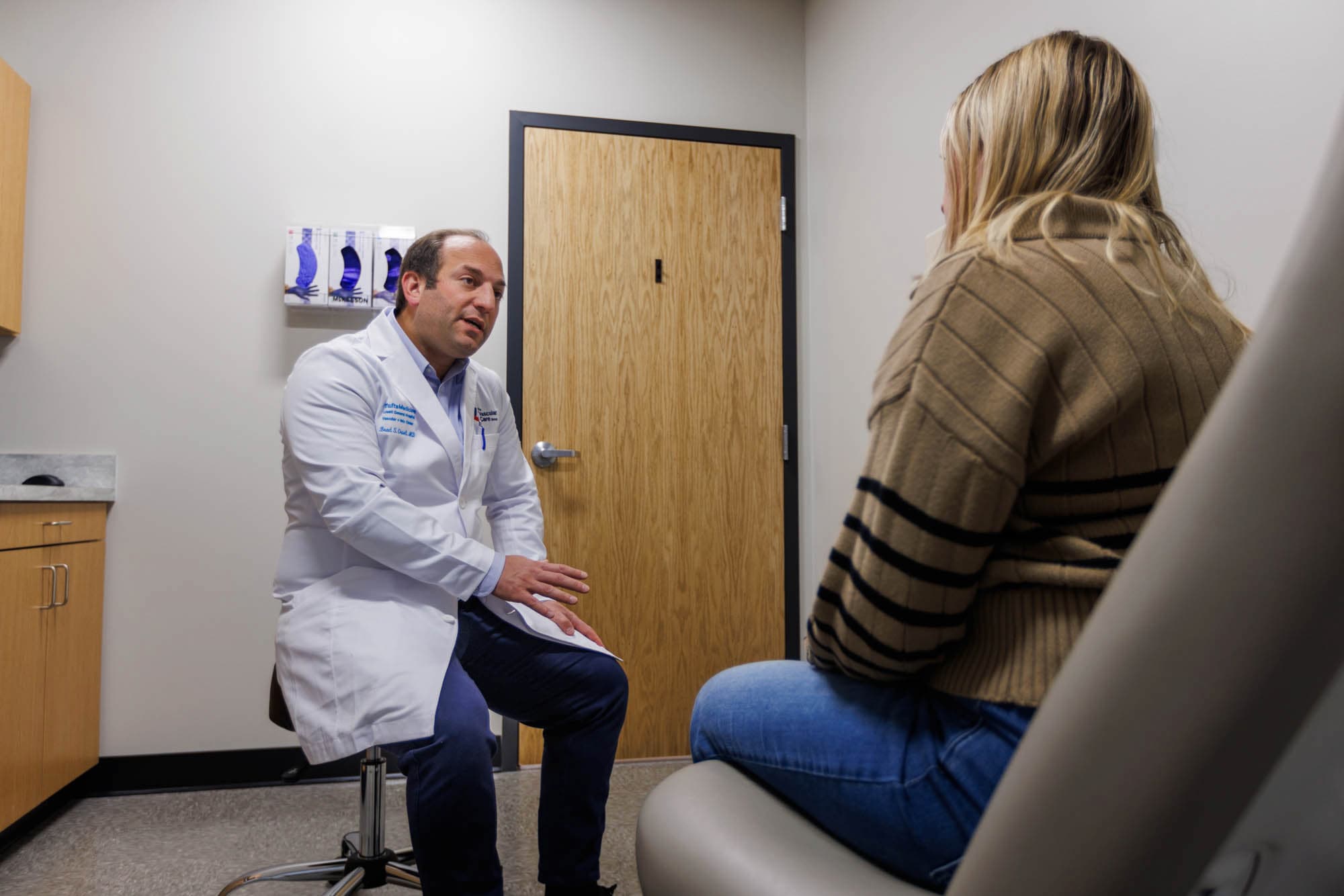
A consultation with our specialists can help determine whether GAE is appropriate for your specific condition.
Why Patients Are Choosing GAE for Knee Pain
Genicular Artery Embolization offers a new option for patients who want meaningful pain relief without undergoing major orthopedic surgery.
No Joint Replacement Required
Same-Day Outpatient Procedure
Delay or Avoid Surgery
Minimal Recovery Time
Improved Mobility
Meaningful Pain Reduction
GAE Compared to Other Knee Pain Treatments
| GAE | Knee Replacement |
Steroid Injections |
Pain Medication |
|
|---|---|---|---|---|
| Minimally Invasive | Yes | No | Yes | Yes |
| Hospital Stay Required | No | Yes | No | No |
| Preserves Natural Joint | Yes | No | Yes | Yes |
| Recovery Time | Days | Weeks to Months |
Minimal | None |
| Addresses the Inflammation Source |
Yes | Partial | Temporary | No |
| Long-Term Relief Potential | Yes | Yes | Limited | Limited |
| Same-Day Procedure | Yes | No | Yes | Yes |
Why Choose The Vascular Care Group – Lowell?
Patients throughout Lowell, Methuen, Newton, Somerville, Nashua, and the Merrimack Valley turn to The Vascular Care Group for leading minimally invasive vascular care in a modern outpatient setting—where advanced technology, experienced specialists, and a patient-centered approach come together to deliver effective treatment with greater comfort and convenience.
Advanced Image-Guided Expertise
Specialized training in precision catheter-based treatments.
State-of-the-Art Outpatient Center
Modern technology is designed for safe, comfortable care.
Personalized Treatment Plans
Every patient receives individualized recommendations based on their symptoms and goals.
Regional Healthcare Partnership
Collaborative care supported by Tufts Medicine and Commonwealth Radiology Associates.
Frequently Asked Questions About GAE
Is GAE painful?
Most patients experience minimal discomfort during GAE. Local anesthetics and medications are used to maximize comfort throughout the procedure.
Is GAE a replacement for knee surgery?
No. GAE does not replace the knee joint. It may help some patients delay or avoid knee replacement, but patients with advanced joint damage may still need surgery.
How long does the procedure take?
Most procedures are completed within 45 minutes to two hours, and patients return home the same day.
How long before I notice improvement after GAE?
Many patients begin noticing improvements within several weeks, with continued benefits developing over the following months as inflammation decreases.
Who is a good candidate for GAE?
Patients with symptomatic knee osteoarthritis who have persistent pain despite conservative treatments may be candidates.
Who is not a good candidate for GAE?
Patients with severe joint instability, active infection, certain vascular conditions, or advanced orthopedic issues may require alternative treatment approaches. A consultation and evaluation are necessary to determine candidacy.