
A Minimally Invasive Alternative to Fibroid Surgery in Lowell
Heavy periods, pelvic pressure, bloating, and fibroid pain can affect every aspect of your life. Many women are told that major surgery is their only option, but that isn’t always the case.
If you are looking for fibroid treatment in Lowell, MA, Uterine Fibroid Embolization (UFE) may offer a less invasive alternative to hysterectomy or myomectomy for certain patients. At The Vascular Care Group – Lowell, our specialists use this image-guided treatment to shrink fibroids without removing the uterus.
Through our partnership with Tufts Medicine and Commonwealth Radiology Associates, patients throughout Lowell and the Merrimack Valley have access to advanced outpatient fibroid care close to home.
Schedule Your Fibroid Consultation
You don’t have to plan your life around heavy periods, pelvic pain, or fibroid symptoms. Our Lowell team can help you understand your options and determine whether Uterine Fibroid Embolization may be right for you.
If you’re looking for a non-surgical alternative to hysterectomy, we’re here to provide answers, guidance, and expert care close to home.
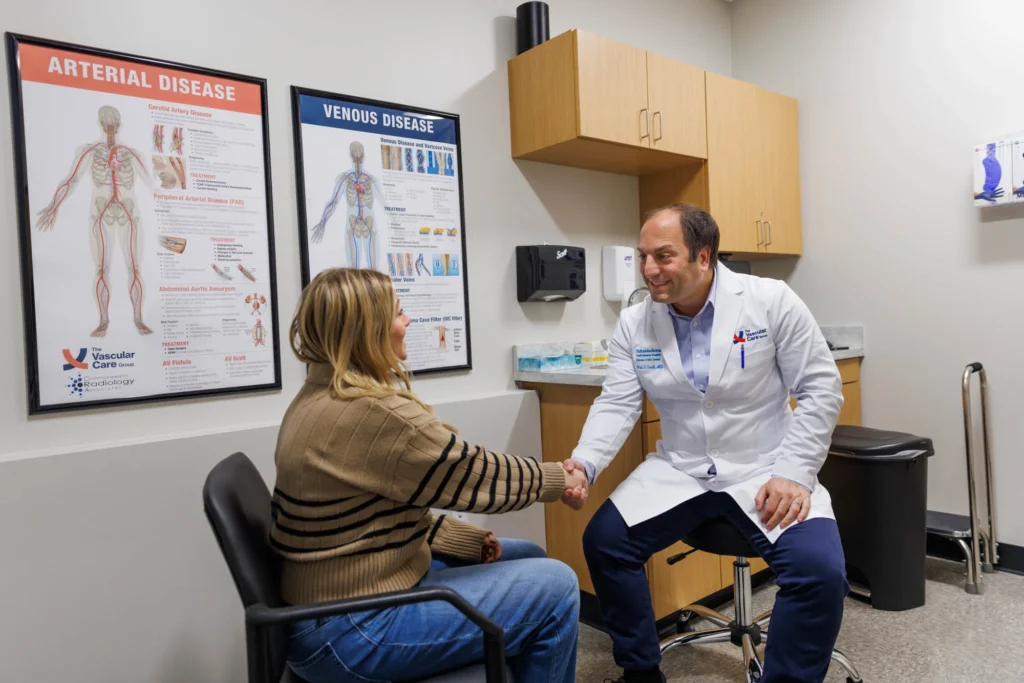
What You Need to Know About UFE
What Is Uterine Fibroid Embolization?
Uterine Fibroid Embolization is a minimally invasive image-guided procedure that blocks the blood supply feeding uterine fibroids. Without a steady blood supply, the fibroids gradually shrink, leading to significant symptom relief.
Unlike a hysterectomy, UFE preserves the uterus and does not require major abdominal surgery.
The UFE Process
The procedure is performed in our advanced outpatient vascular center in Lowell.
- A vascular specialist creates a tiny puncture, usually in the wrist or groin.
- Using real-time imaging guidance, a small catheter is navigated to the arteries supplying the fibroids.
- Tiny embolic particles are delivered to block blood flow to the fibroids.
- The catheter is removed, and a small bandage is applied.
The procedure typically takes less than two hours, and most patients return home the same day.
Fibroid Symptoms: UFE May Help Treat
Uterine Fibroid Embolization is designed to treat symptomatic uterine fibroids.
Common symptoms include:
- Heavy or prolonged menstrual bleeding
- Pelvic pressure or fullness
- Pelvic pain and cramping
- Abdominal bloating
- Frequent urination
- Lower back pain
- Pain during intercourse
Clinical Research & Effectiveness
UFE has been performed for more than two decades and is supported by extensive clinical research demonstrating long-term symptom relief and high patient satisfaction. Studies have shown significant improvements in bleeding, pelvic pressure, and quality of life while allowing women to avoid hysterectomy in many cases.
Are You a Candidate for UFE?
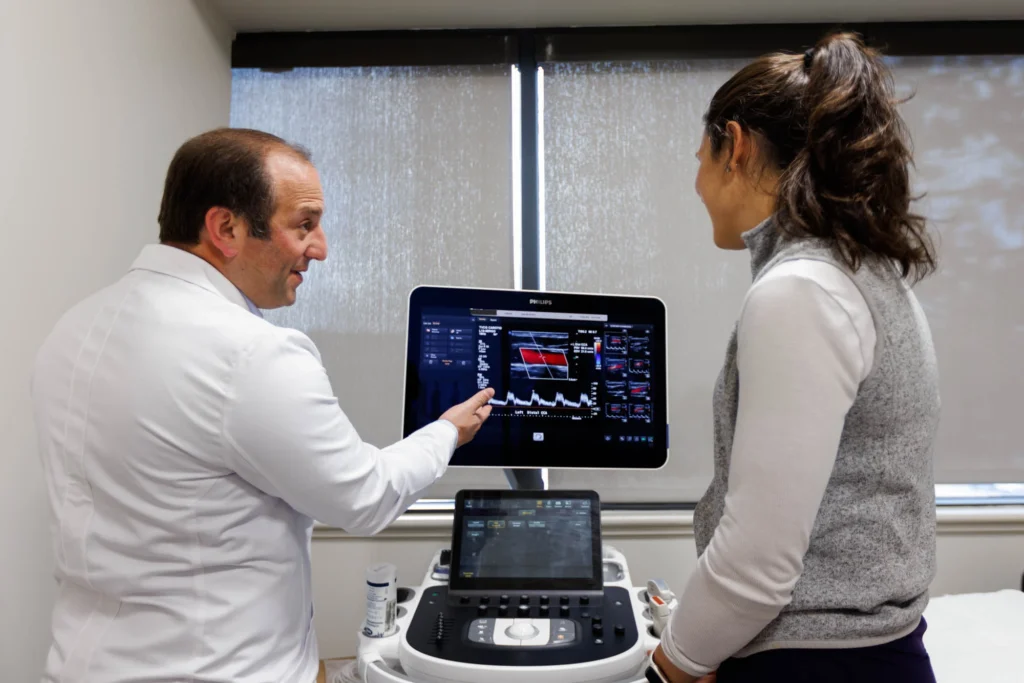 You may be a good candidate if you answer yes to any of the following:
✓ Heavy menstrual bleeding
✓ Pelvic pressure or fullness
✓ Painful menstrual cramps
✓ Abdominal bloating
✓ Frequent urination caused by fibroids
✓ Looking for an alternative to a hysterectomy
✓ Want to preserve your uterus
The best way to determine if UFE is right for you is through a personalized consultation with one of our vascular specialists.
Schedule a Consultation
Why Women Choose UFE
UFE treatment has helped thousands of women achieve meaningful relief from fibroid symptoms without the lengthy surgical recovery.
Most Women Experience Meaningful Symptom Relief
Uterine fibroid embolization has been shown to help many women find relief from heavy bleeding, pelvic pressure, and other fibroid-related symptoms. Research cited in a clinical review found that symptom improvement is common, with one study reporting symptom control in 90% of patients one year after treatment.
Minimally Invasive
UFE is performed through a small access point, with no large incisions and less disruption to the body than traditional surgery.
Uterus-Preserving
Treat fibroids while preserving the uterus, making UFE an option for women who want to avoid hysterectomy.
Same-Day Outpatient Procedure
Return home the same day without a hospital stay.
Faster Recovery Than Surgery
Many patients return to light daily activities within a few days.
Covered by Most Insurance Plans
Medicare and many commercial insurance providers commonly cover UFE.
UFE Compared to Other Fibroid Treatments
| UFE | Hysterectomy | Myomectomy | Medication Management |
|
|---|---|---|---|---|
| Preserves Uterus | Yes | No | Yes | Yes |
| Major Surgery Required | No | Yes | Yes | No |
| Hospital Stay | Usually No | Often Yes | Often Yes | No |
| Recovery Time | Days | Weeks | Weeks | Ongoing |
| Treats Multiple Fibroids | Yes | Yes | Sometimes | No |
| Minimally Invasive | Yes | No | No | Yes |
| Long-Term Symptom Relief |
Yes | Yes | Yes | Variable |
*Treatment recommendations vary based on fibroid size, location, symptoms, medical history, and personal goals. A consultation and imaging evaluation can help determine which fibroid treatment option may be right for you.
Why Choose The Vascular Care Group – Lowell?
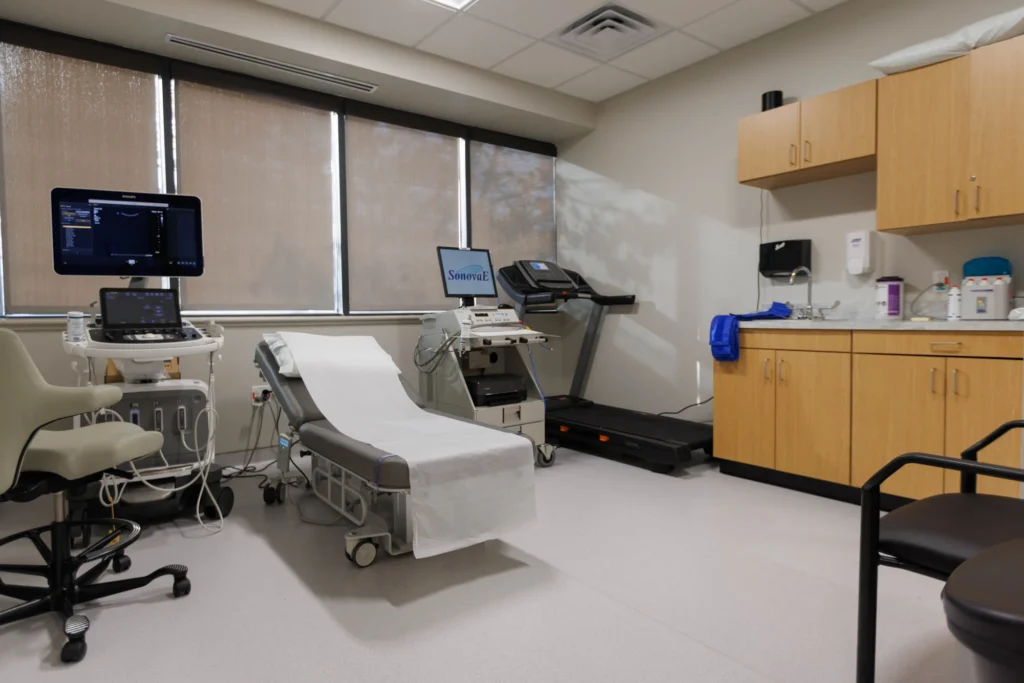 Women throughout Lowell, Haverhill, Methuen, and surrounding communities trust The Vascular Care Group for advanced minimally invasive treatments delivered in a comfortable outpatient setting.
Experienced Specialists
Advanced vascular and image-guided expertise focused on minimally invasive care.
Tufts Medicine and Commonwealth Radiology Associates Partnership
Collaborative care supported by leading regional healthcare organizations.
State-of-the-Art Outpatient Center
Advanced imaging technology and modern treatment facilities.
Personalized Women’s Care
Every treatment plan is tailored to your symptoms, goals, and medical needs.
Frequently Asked Questions About UFE
Is the UFE procedure painful?
Most patients receive medication and sedation to ensure comfort during the procedure. Mild cramping afterward is common and typically managed with medication.
Will I lose my uterus with UFE?
No. UFE is specifically designed to treat fibroids while preserving the uterus.
Is UFE covered by insurance?
Most insurance plans, including Medicare and many commercial carriers, cover UFE when medically appropriate. Our team can help verify your benefits.
Do I need a referral?
Referral requirements vary by insurance plan. Our staff can help determine whether one is needed.
How long does recovery take?
Most women return to light daily activities within a few days and experience a significantly shorter recovery than after major surgery.
How do I know if I'm a candidate?
A consultation and imaging evaluation can help determine whether UFE is the right treatment option for your fibroids and symptoms.