
Common Questions About Vascular & Interventional Care in Lowell, MA
At The Vascular Care Group – Lowell, we understand that choosing a specialist or considering a procedure can come with many questions. Below you’ll find answers to some of the most common questions about our practice, vascular conditions, and minimally invasive treatments.
About Our Practice
Where is The Vascular Care Group – Lowell located?
Our office is located at:
1115 Westford Street, 2nd Floor
Lowell, MA 01851
We proudly serve patients throughout Lowell, Lawrence, Haverhill, Methuen, Nashua, and the surrounding Merrimack Valley communities.
What types of specialists practice at your Lowell location?
Our team includes experienced vascular and interventional specialists who diagnose and treat a wide range of circulatory and vascular conditions, including uterine fibroids, varicose veins, BPH, osteoarthritis-related knee pain, and more.
Do I need a referral to schedule an appointment?
Referral requirements vary by insurance plan. Our team can help determine whether a referral is required before your visit.
Do you accept insurance?
Yes. We accept Medicare and many major commercial insurance plans. Contact our office to verify your specific coverage.
Vascular Health Questions
What is vascular disease?
Vascular disease refers to conditions affecting the arteries, veins, and lymphatic system. These conditions can impact circulation throughout the body and may lead to symptoms such as leg pain, swelling, wounds that won’t heal, varicose veins, or poor blood flow.
What are the warning signs of vascular disease?
Common symptoms may include:
- Leg pain while walking
- Leg cramping
- Swelling in the legs or ankles
- Varicose veins
- Non-healing wounds
- Skin discoloration
- Cold feet or toes
- Numbness or weakness
If you experience any of these symptoms, a vascular evaluation may be recommended.
What is Peripheral Artery Disease (PAD)?
Peripheral Artery Disease occurs when arteries narrow or become blocked, reducing blood flow to the legs and feet. PAD can cause pain while walking, wounds that do not heal, and an increased risk of cardiovascular complications.
Are varicose veins a medical condition or cosmetic issue?
While some people seek treatment for cosmetic reasons, varicose veins can also cause pain, swelling, heaviness, fatigue, skin changes, and circulation problems. Treatment may be medically necessary depending on your symptoms.
Interventional Radiology
What is Interventional Radiology
Interventional radiology is a medical specialty that uses advanced imaging technology to diagnose and treat conditions through minimally invasive procedures. These treatments often require only a small incision and typically offer shorter recovery times than traditional surgery.
What is Embolization?
Embolization is a minimally invasive interventional radiology procedure that blocks blood flow to a specific area of the body. It is commonly used to treat conditions such as uterine fibroids, enlarged prostate (BPH), chronic knee pain related to osteoarthritis, and certain vascular conditions.
Uterine Fibroid Embolization (UFE)
What symptoms does Uterine Fibroid Embolization treat?
Uterine Fibroid Embolization (UFE) is commonly used to treat symptoms caused by uterine fibroids, including heavy menstrual bleeding, pelvic pressure, pelvic pain, frequent urination, abdominal bloating, and discomfort during daily activities. By shrinking the fibroids, UFE can help relieve symptoms and improve quality of life without removing the uterus.
What is Uterine Fibroid Embolization?
Uterine Fibroid Embolization (UFE) is a minimally invasive procedure used to treat uterine fibroids by blocking their blood supply. As the fibroids shrink, symptoms such as heavy bleeding, pelvic pressure, and pain often improve significantly.
Will Uterine Fibroid Embolization affect my fertility or my ability to get pregnant in the future?
While many women have had successful pregnancies after Uterine Fibroid Embolization (UFE), its precise impact on future fertility is not entirely certain, and it is generally not recommended as the first-line treatment if you plan to get pregnant. The procedure can potentially reduce blood flow to the ovaries or uterus, which may increase the risk of miscarriage or other pregnancy complications. If preserving fertility is your top priority, it is crucial to discuss your reproductive goals with your doctors, including your endovascular specialist. Every patient is unique, and treatment plans are tailored to individual circumstances.
Is UFE an alternative to hysterectomy?
Yes. UFE is commonly chosen by women seeking relief from fibroid symptoms without removing the uterus.
How long does recovery take after UFE?
Most women return to normal daily activities within several days, although individual recovery experiences vary.
Is UFE covered by insurance?
Many insurance plans, including Medicare and numerous commercial carriers, provide coverage for UFE when medically appropriate.
Who is a good candidate for UFE?
Women experiencing symptomatic fibroids, heavy menstrual bleeding, pelvic pressure, or fibroid-related pain may be candidates. A consultation and imaging evaluation are necessary to determine eligibility.
Genicular Artery Embolization (GAE)
What is Genicular Artery Embolization?
Genicular artery embolization (GAE) is a minimally invasive knee pain treatment designed to reduce chronic knee pain caused by osteoarthritis. The procedure targets inflammation around the knee by reducing blood flow to the inflamed tissue.
Can GAE help me avoid knee replacement surgery?
For some patients, yes. GAE may provide significant pain relief and improved mobility, allowing patients to delay or avoid knee replacement surgery.
How long does a GAE procedure take?
Most procedures are completed within 45 minutes to two hours, and patients return home the same day.
When will I notice results after GAE?
Many patients begin noticing improvements within several weeks, with continued benefits occurring over several months.
Is GAE covered by insurance?
Many insurance plans may cover Genicular Artery Embolization (GAE), but coverage and prior authorization requirements vary by provider and plan. Our team can help verify your benefits, discuss your coverage options, and determine whether any pre-approval is needed before treatment.
Procedure & Recovery Questions
Are minimally invasive procedures safe?
Minimally invasive procedures are designed to reduce many of the risks associated with traditional surgery. However, all medical procedures carry some degree of risk, which your physician will discuss with you before treatment.
Will I be awake during my procedure?
Many procedures are performed using local anesthesia and mild sedation. Your physician will discuss the appropriate sedation plan based on your treatment.
How long does recovery typically take?
Recovery depends on the procedure being performed. Most minimally invasive treatments offer significantly shorter recovery periods compared to traditional surgery, with many patients returning home the same day.
Will I need someone to drive me home?
For most procedures involving sedation, patients should arrange transportation home following treatment.
How soon can I return to work?
Many patients resume light activities within a few days. Your provider will provide individualized recovery guidance.
Scheduling & Appointments
What should I bring to my appointment?
Please bring:
- Photo identification
- Insurance card
- Medication list
- Relevant imaging or medical records (if available)
- Referral information (if required)
How long is a consultation appointment?
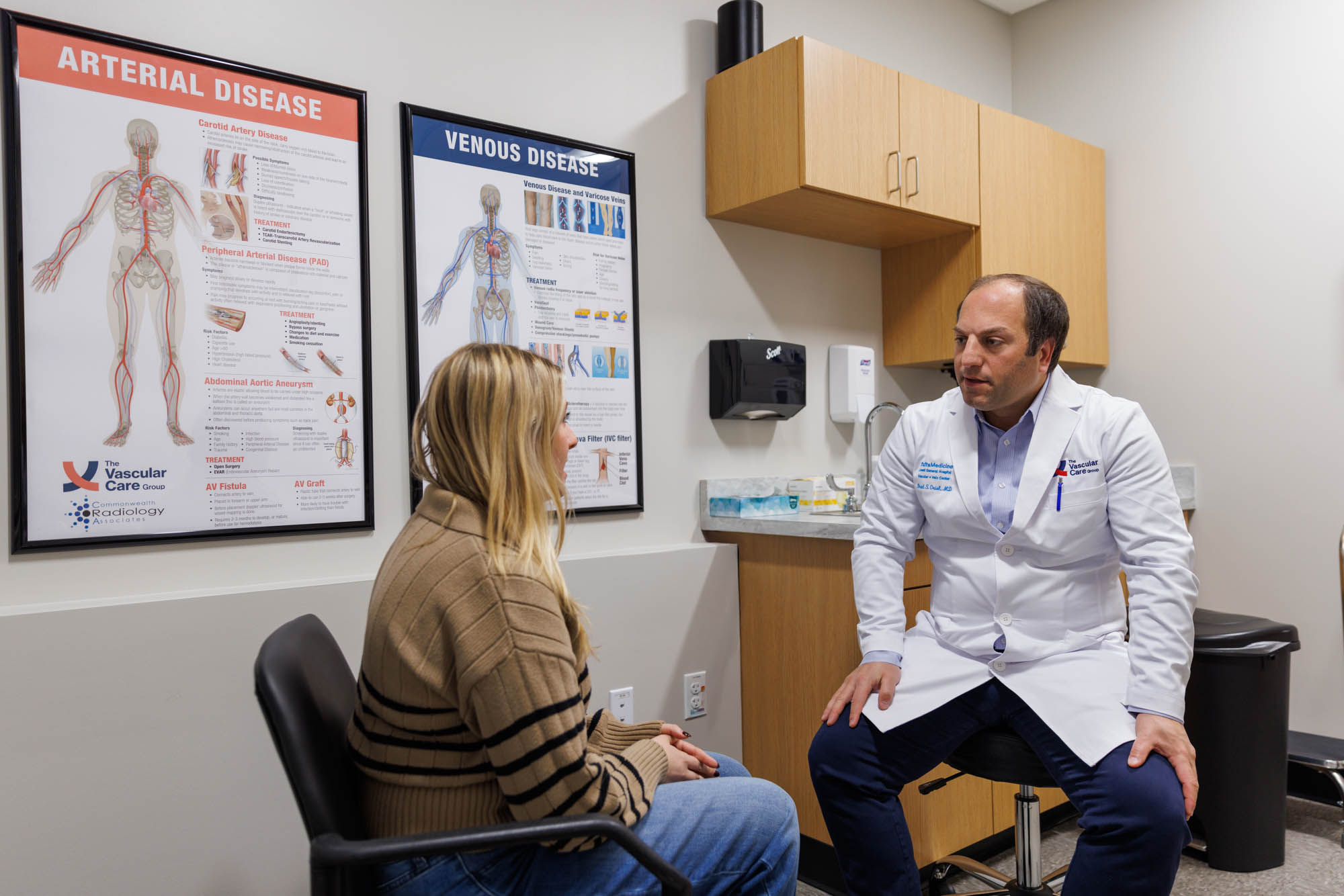
Consultations take about 30 to 45 minutes and typically include a review of your symptoms, medical history, diagnostic imaging (if needed), and a discussion of treatment options.
Can I request a second opinion?
Absolutely. Many patients visit our specialists for second opinions regarding surgery recommendations or alternative treatment options.
How do I schedule an appointment?
You can schedule a consultation by calling our Lowell office or submitting a request through our online contact form.
Still Have Questions?
Our team is committed to helping patients understand their condition, treatment options, and next steps. If you don’t see your question listed here, contact The Vascular Care Group – Lowell, and we’ll be happy to help.
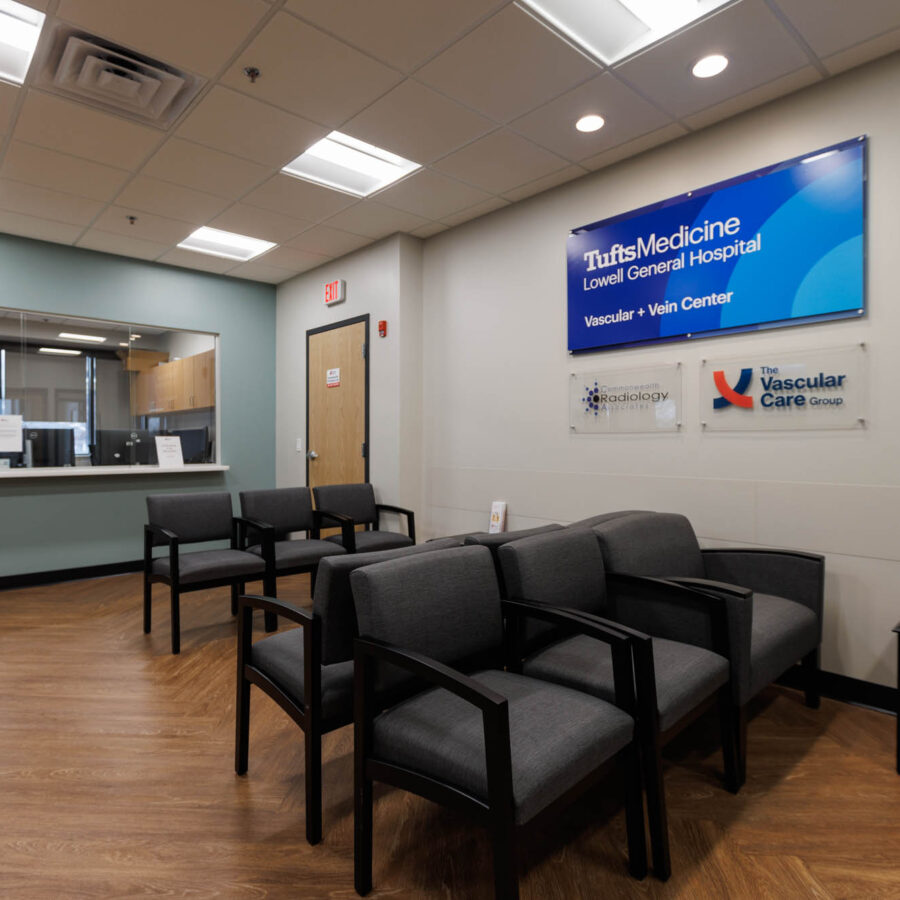
The Vascular Care Group – Lowell
1115 Westford Street, 2nd Floor
Lowell, MA 01851
Phone: 351-221-7080